


Converting Buildings to Hotels in 2026: A Profitable Guide
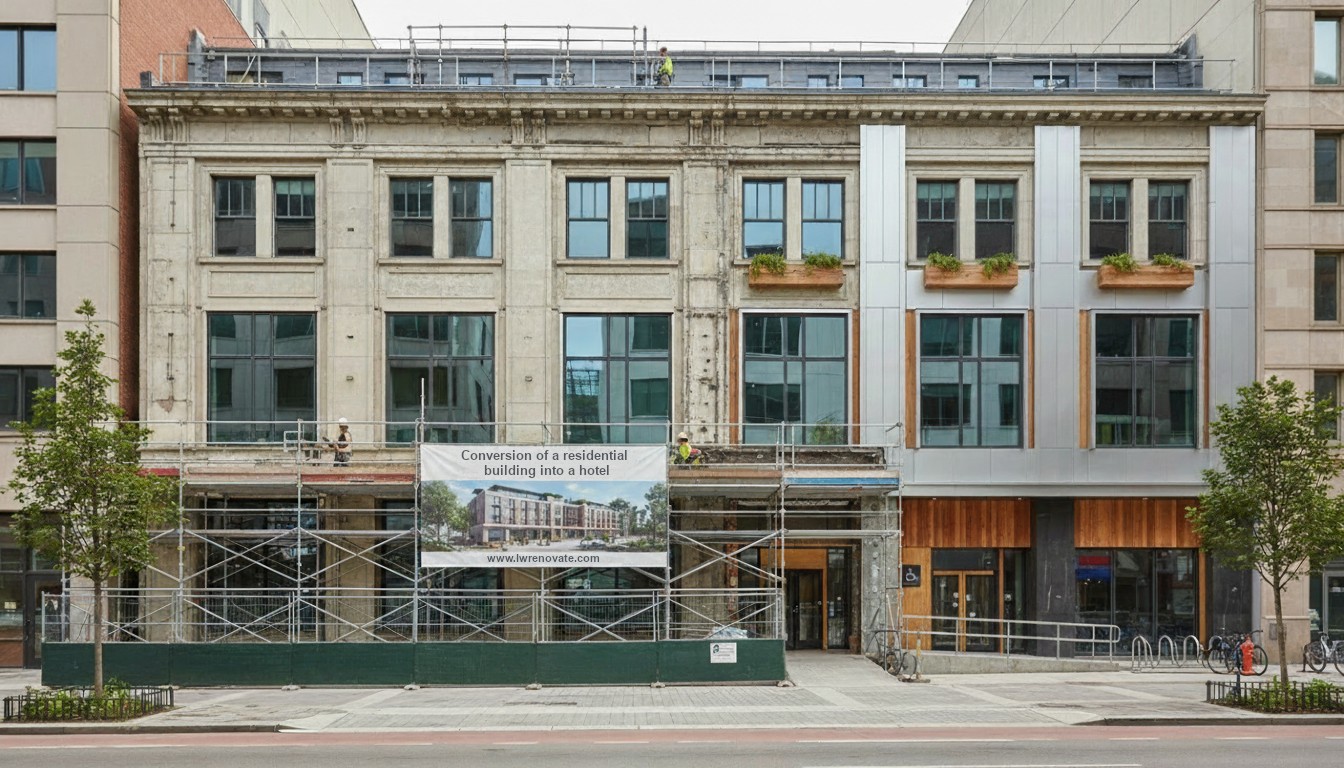
Across the U.S., a quiet shift is happening in hospitality development. Instead of building new hotels from the ground up, more owners and investors are looking at something different: converting existing buildings like offices, apartments, and even dormitories into hotel properties.
This isn't a passing trend. It's a practical response to changing real estate dynamics, construction costs, and evolving travel patterns. For hotel owners, developers, and asset managers, conversion projects are becoming a serious strategy for growth, repositioning, and market entry.
Why Conversions Are Gaining Momentum
Several forces are converging:
1. Office Market Adjustments
In many U.S. cities, office vacancy remains elevated compared to pre-pandemic norms. Not every office building is a good hotel candidate, but some offer central locations, existing elevators, corridors, and restrooms, and structural layouts that can be adapted into guest rooms. For the right asset, reuse can be more efficient than starting from raw land.
2. Construction Cost Pressures
Ground-up hotel construction involves land acquisition, full site work, and longer timelines. Conversion projects can sometimes reduce certain development stages by leveraging existing structure and envelope, core MEP (mechanical, electrical, plumbing) systems and parking and site infrastructure.
While conversions are not automatically "cheap," they can provide a different cost profile and faster path to opening when properly planned.
3. Demand for Unique and Urban Hospitality
Travelers increasingly value walkable urban locations, character buildings and mixed-use environments. Former offices, multifamily buildings, and dorms in established neighborhoods can align well with boutique, lifestyle, and extended-stay hotel concepts.
What Types of Buildings Are Being Converted?
Office to Hotel
Older office buildings with are sometimes suitable for guest room layouts. However, deep floor plates or limited natural light can create design challenges.
Multifamily to Hotel
Apartments can transition well into extended-stay hotels, aparthotel concepts and hybrid residential-hospitality models. Existing kitchens, bathrooms, and unit separations can support this model, though fire life safety and brand standards must be carefully addressed.
Dormitories and Institutional Housing
Dorms often already include small sleeping units, shared or clustered plumbing and corridor layouts similar to hotels. These properties can be candidates for budget, select-service, or workforce-oriented hospitality products, depending on location.
Key Differences Between Conversions and Traditional Renovations
Owners sometimes underestimate how different conversion work is from a standard PIP or room refresh.
| Area | Traditional Hotel Renovation | Conversion Project |
|---|---|---|
| Starting Point | Existing hotel | Different building type |
| Layout | Guest rooms already defined | New room layouts required |
| Codes | Hospitality code baseline | Use change triggers major code review |
| Systems | Designed for hotel loads | Often require major MEP rework |
| Approvals | Brand + local permits | Zoning, use change, life safety upgrades |
For owners already familiar with renovation planning and phasing, the timeline realities discussed in Hotel Renovation Timelines in the USA: What Hotel Owners Should Know are a helpful starting point, but conversions usually involve even more front-end coordination.
Biggest Challenges in Hotel Conversion Projects
1. Layout and Room Size
Office or residential modules do not automatically match brand guest room prototypes. Structural columns, window placement, and plumbing stacks all influence how efficiently rooms can be laid out.
2. Mechanical, Electrical, and Plumbing (MEP)
Hotels have different demands than offices or apartments:
- Higher hot water demand
- Different HVAC zoning
- Guest-room-level climate control
- Increased electrical loads for in-room technology
MEP upgrades are often one of the most significant scopes in a conversion.
3. Life Safety and Code Compliance
A change of use can trigger:
- Fire protection upgrades
- Egress adjustments
- ADA compliance modifications
- Corridor and stair requirements
Early code analysis is critical to avoid costly redesigns.
4. Brand Standards
If the project will be franchised, the building must meet brand expectations for:
- Room size and layout
- Bathroom configuration
- Public spaces and back-of-house
- Technology and guest amenities
Understanding how brand PIPs and standards translate into a conversion context is similar in principle to traditional brand upgrades, as discussed in Why Renovating Now Pays Off Later: Hotel Owners' Guide to ROI, but often more complex.
What This Means for Hotel Owners
Conversion projects are not shortcuts. They are strategic repositioning efforts that require detailed feasibility analysis, strong coordination between design, engineering, and construction, careful phasing if the property is partially occupied and realistic budgeting and contingency planning.
However, when aligned with the right market and building, conversions can activate underutilized assets, enter strong submarkets with limited new land, deliver distinctive hospitality products and support long-term asset value growth
The Importance of the Right Renovation Partner
Executing a conversion demands more than general construction experience. The team must understand:
- How hotels operate 24/7
- Guest expectations during construction
- Brand approval processes
- Phasing to protect revenue where possible
Selecting a contractor with hospitality-specific experience is one of the most important risk-reduction steps. Our breakdown of key criteria for choosing a hotel renovation contractor provides guidance that is just as relevant for complex conversion work.
Final Takeaway
In 2026, hotel growth is not only about new builds. It is increasingly about reimagining what already exists - turning offices, apartments, and dormitories into viable hospitality assets.
For owners, conversions represent both opportunity and complexity. With proper planning, realistic expectations, and a team that understands hotel operations and brand requirements, these projects can transform underperforming real estate into competitive, revenue-generating hotels.
Planning a hotel conversion or major repositioning?
Liberty Way Renovation works with owners across the U.S. on phased renovations, brand-compliant upgrades, and complex hospitality construction projects.